You transformed the organization. Why are the original problems still here?
Slow delivery, missed commitments, decision bottlenecks, weak innovation — I help leadership teams understand what is actually blocking performance after a major transformation.
We discuss what the transformation changed, what leadership expected, and which old problems remain.
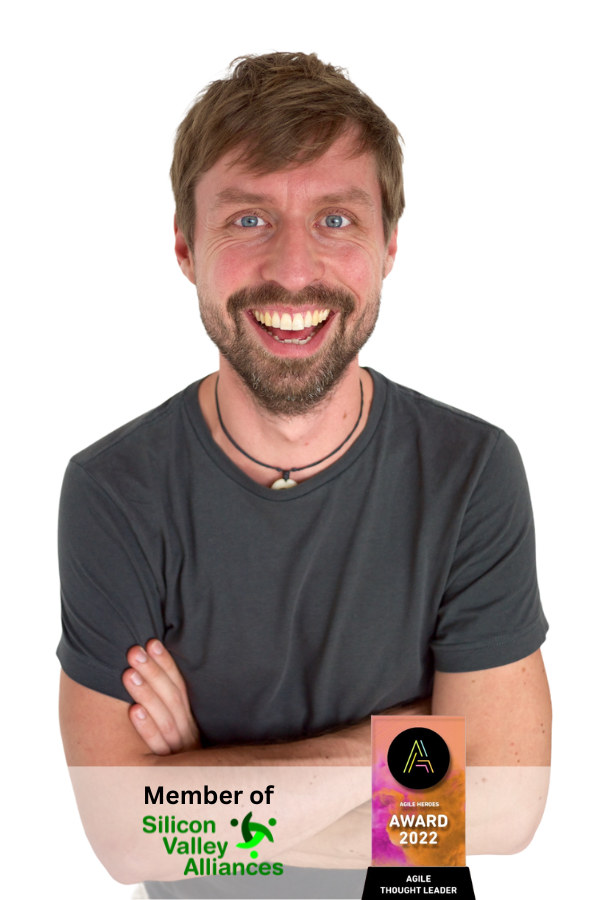
Matthias Orgler has built companies and software and led change across leadership, product, and engineering.
Organizations Matthias has worked with in consulting, training, or speaking





- 47%
- of companies in BCG’s study operated under the ‘illusion of agility’
What the research shows
Agile practices are common. Improved performance is not.
BCG studied 127 companies and found that 47% operated under the ‘illusion of agility.’ The issue was not missing rituals. The practices did not translate into productivity, speed, or financial impact.
01
Transformation without results
The roles and meetings changed. Delivery did not.
These are the situations leaders describe after a large transformation.
What changed — and what people still experience
Start with missed dates, delayed decisions, rising cost, and customer complaints.
Agile, digital, or operating-model transformation — and projects still miss milestones.
Millions already spent
Teams run the rituals. Important decisions still escalate through the old hierarchy.
New roles and ceremonies
Costs rise, commitments slip, and people stop believing the next change program will help.
More planning and coordination
02
Why this keeps happening
The process changed. Managers still decide and reward the same things.
New roles, tools, and meetings do not change who can approve work, how budgets are allocated, what managers reward, or whether teams may make decisions. The old delays remain.
New roles and meetings
The same decisions and incentives
Delivery is still slow
- 01
-
It is easier to rename roles than change authority
A new title can be announced in a day. Changing who decides, what receives funding, and what leaders reward takes harder conversations.
- 02
-
The team cannot remove an impediment owned by management
Teams can improve their own work while budgets, dependencies, and executive decisions continue to delay delivery.
03
What happens in the diagnostic
Take one old problem and find out why it survived the transformation
We choose one result leadership expected to improve and follow it through the decisions, teams, budgets, and managers involved.
-
1
Define the result that should have moved
Choose delivery time, predictability, cost, innovation, or customer results. Avoid a general discussion about maturity.
-
2
Follow the problem through the organization
Look at the decisions, incentives, budgets, dependencies, managers, and product responsibilities behind it.
-
3
Decide what leadership should change first
Choose one decision, responsibility, approval, budget rule, or management behavior to change and observe what happens.
First step
Executive diagnostic
- Who
- The leader responsible for the result, plus one person who knows the daily work if useful
- Format
- A 90-minute conversation after a short email describing the transformation, expected result, and what has changed
- You bring
- What you changed, what leadership expected, and which original problems remain
- You leave with
- A short written summary of the likely cause and what leadership should change first
- Fixed price
- €1,750 net
- What happens next
- Use the summary with your own team, or ask Matthias to help with the next step
04
What this is not
This diagnostic does not cover the following work.
- Another agile transformation program or certification rollout
- Scrum, SAFe, or scaling-framework implementation
- Maturity assessments, spider charts, or Agile Level 2.7 reports
05
Proven in practice
Why clients bring Matthias into difficult situations
He works with leadership, product teams, engineers, and the way responsibility is divided between them.
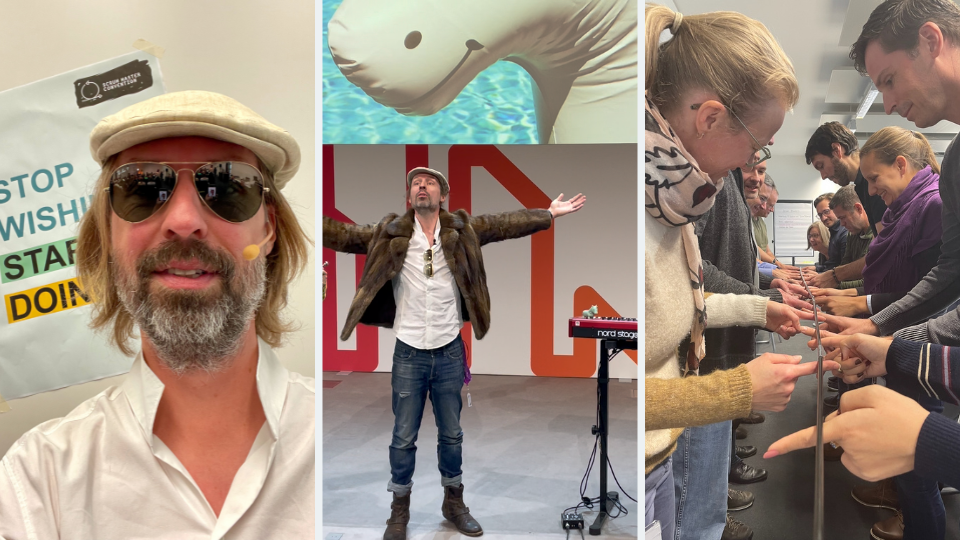
Broad experience
- Restored delivery at AuPairWorld by addressing technical debt, workflow, product responsibility, and team dynamics together
- Led change across European offices as BearingPoint RegTech moved from regional projects toward one product business
- Turned experienced employees others dismissed as blockers into a transformation's strongest advocates
Organizations Matthias has worked with in consulting, training, or speaking
Siemens, Volkswagen, Ford, ESA, Commerzbank, Lufthansa
What people say about working with Matthias
“There is a lot of movement in the system now, and it is being reorganized around a mission-driven structure. The post certainly played its part in holding middle and senior management accountable.”
“Your point of view is not ordinary, is not cleaned up, is not a book point of view. When I hear true stories from someone with experience, it’s something very different.”
Which old problem is still here?
Tell me what you changed, what leadership expected, and what people still experience.
06
Request an executive diagnostic
Tell me what you changed, what result should have moved, and which original problems remain.
Matthias reads every request and replies within two business days. He will tell you directly whether he can help.
Personal reply
Within two business days
No sales handoff
By submitting, you agree to be contacted about this inquiry. No spam — ever.