

Your Team Is Neurodiverse. Your Ways of Working Should Be Too.
Someone recently wrote to me: ““I wish there were a version of Scrum for neurodivergent people.”” That sentence stayed with me. I do not think we need another version of S...
On leadership, product, technology, coaching, and organizational change.
Someone recently wrote to me: ““I wish there were a version of Scrum for neurodivergent people.”” That sentence stayed with me. I do not think we need another version of S...
Many organizations complain that Scrum Masters do not create enough change. Then you look at the role they designed and realize: change was never really allowed. That is why the...

Some workshop exercises look almost too simple to be useful. The Pole Challenge is one of them. You bring a team together, give them a pole, and ask them to lower it to the grou...
Right now, almost every company is trying to “do something with AI.” AI copilots. AI-generated presentations. AI coding assistants. AI pilots everywhere. Executives are under pr...
I keep seeing the same pattern in companies: the best engineers get promoted out of the work they’re brilliant at, then everyone wonders why leadership gets worse and technic...
Many organizations accidentally train people to stop thinking. Not intentionally. Most leaders I meet genuinely want motivated, proactive, innovative people. They want teams tha...
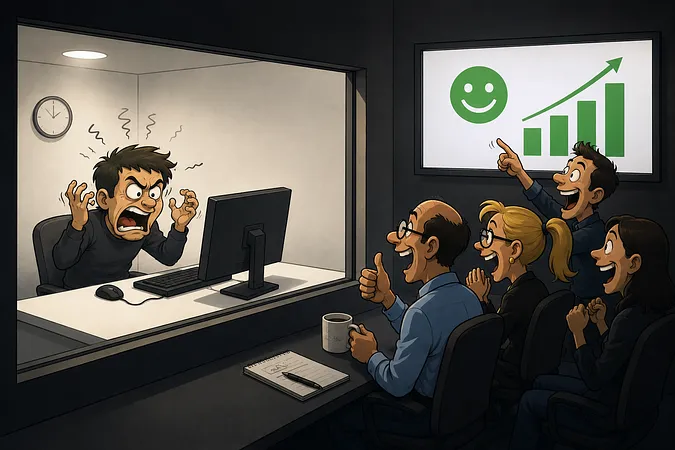
Most organizations say they value experimentation, innovation, customer feedback, and learning. But if you observe what actually happens inside many companies, something very di...
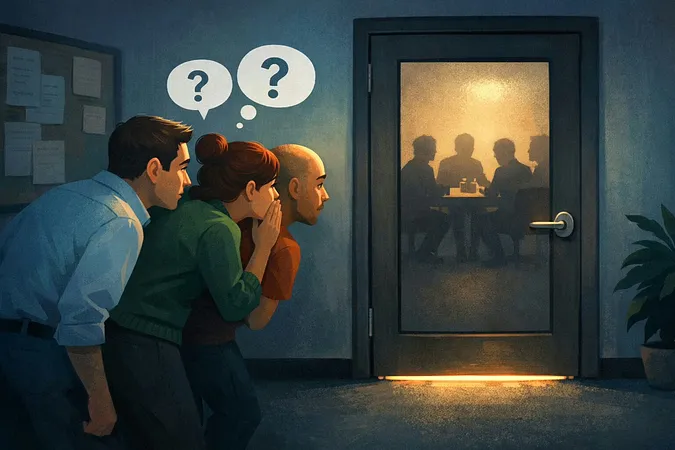
Most agile transformations don’t fail because “people resist change”. They fail because we design the change in a way that produces resistance – by running it like a Secret Chan...
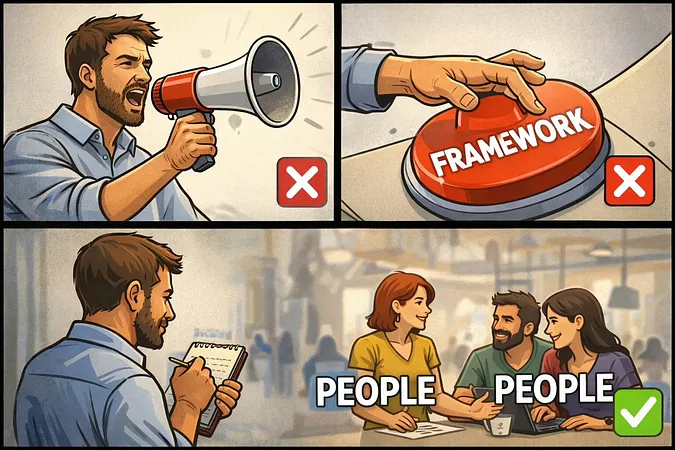
Why I start with people, observation, and evidence – and how that speeds everything up. Most agile transformations start the same way: pick a team. Train them. Coach them. Roll...

This entry is part 5 of 5 in the series Beyond Testing – The TDD Series[Image] Beyond Testing – The TDD Series • If You Think TDD Means Automated Tests, You’re Missing the Poi...
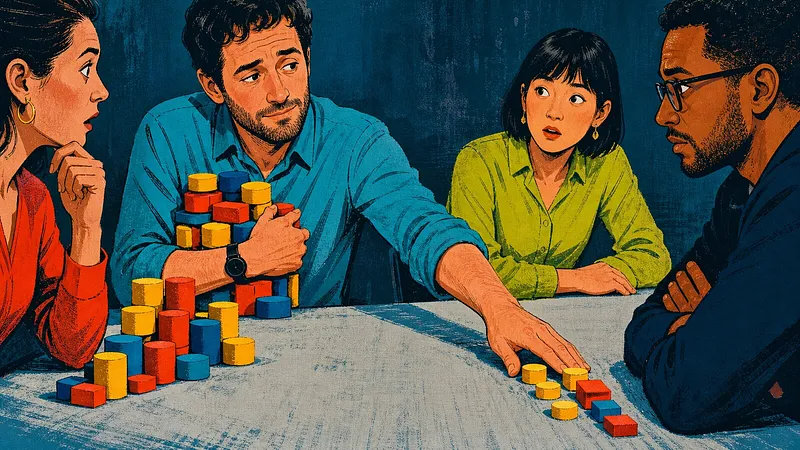
Yes – the most effective workshop games reinforce agile values long after the session by creating emotional experiences that participants remember, practice, and reference in re...

This entry is part 4 of 5 in the series Beyond Testing – The TDD Series[Image] Beyond Testing – The TDD Series • If You Think TDD Means Automated Tests, You’re Missing the Poi...

Innovation collapses at the portfolio layer – long before the work starts Let me start with a few scenes you’ve probably lived through: • Approval for an innovation initiative r...

One great way to make agile values stick after the workshop is by creating emotionally memorable experiences that people practice together, remember later, and recognize in thei...

The fastest way for trainers to boost engagement is to use short, plug-and-play experiential activities that require almost no setup and immediately pull participants into activ...

If you ever needed proof that managers and employees live in two different realities, here it is: the top motivators managers believe in, and the top motivators employees actual...

Participants lose attention after 20 minutes because the human brain is not designed for long periods of passive listening, and engagement rises only when people do something – ...

Most leaders today talk about motivation as if it were obvious: you set targets, attach rewards, maybe add pressure, and magically people perform. But the idea that humans do gr...

The best interactive exercises for agile leadership workshops are short, experiential games that mirror real leadership challenges and can be debriefed into concrete workplace b...

It’s almost impressive how consistently managers get motivation wrong. Ask them what drives people, and you hear the usual list: good pay, stable contracts, career opportunities...

Every leader wants a motivated team. People who care. Who take initiative. Who don’t need to be chased for every deadline. So we try: pep talks, bonuses, team events, motivatio...

(A modern corporate fable about rewarding A while hoping for B) Let me tell you about Sophie. She joined bright-eyed, caffeinated, and carrying just enough imposter syndrome t...
Let’s be brutally honest: TDD isn’t new. It’s been around for decades. It’s praised by some of the most respected minds in software. It’s baked into agile, XP, and even many...
Let’s start with a blunt truth: Managing dependencies is a trap. (Yes, I’m looking at you, PI Planning boards with your red strings and sticky-note spiderwebs. 🔍) These boards...
Once upon a time – not that long ago – product development was a slow, stately dance. A new idea emerged every few years, maybe once a decade. Companies would then spend years p...
Story points aren’t the problem. They were created with good intent. A soft way to guide planning without the stress and politics of time estimates. Ron Jeffries, one of the or...
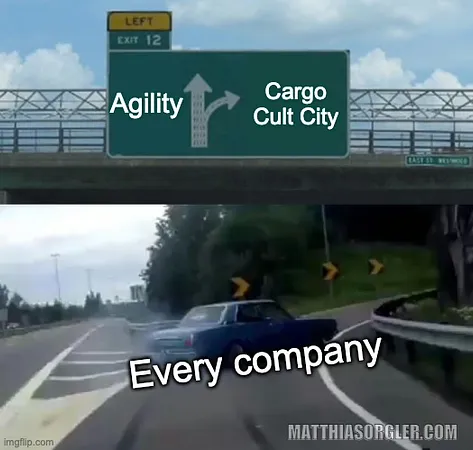
The Ladder That Separates the Pretenders from the Practitioners““We work in two-week sprints.” Cool. That’s not agility.” I’ve heard it a hundred times. Maybe a thousand. Teams...
Let’s not sugarcoat it: Most codebases are slow, fragile, and painful to change not because developers are lazy or unskilled—but because the system is wired against momentum. E...

The first time I heard someone talk about “per person story points,” I laughed. Surely, it was a joke. Like someone suggesting we measure teamwork by how many push-ups each pers...
This entry is part 1 of 5 in the series Beyond Testing – The TDD Series Beyond Testing – The TDD Series• If You Think TDD Means Automated Tests, You’re Missing the Point • Insi...
New writing on leadership, delivery, product, AI, coaching, and organizational change. Unsubscribe anytime.